Car Dashboard Warning Lights – What They Mean and When You Need to Stop
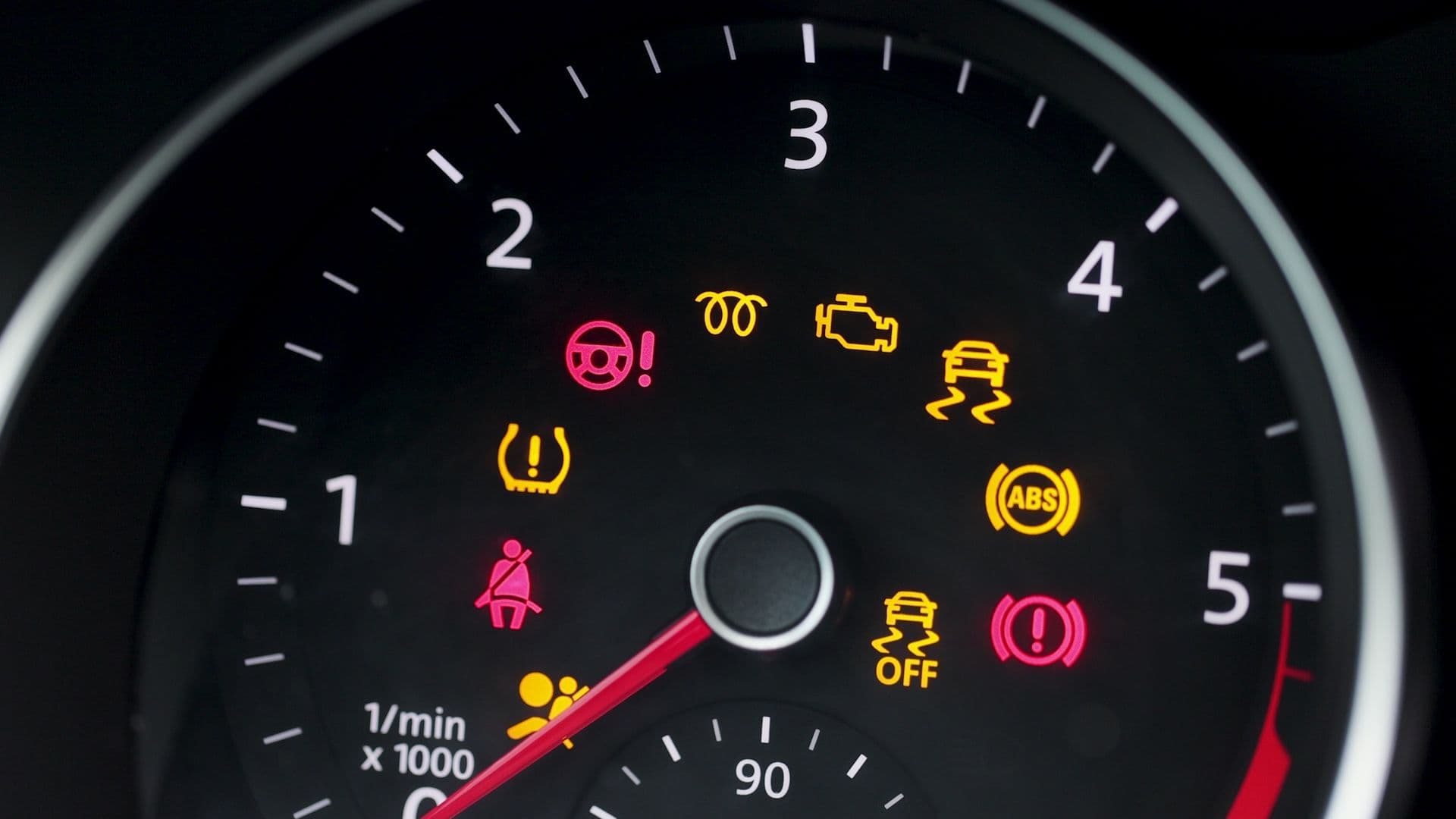
The dashboard of a modern car can light up with dozens of different symbols. Some of them are simply for information, while others warn you of a serious fault. It is especially easy to get stressed when you are driving an unfamiliar car, for example one you have rented for a trip. In this guide we explain what the most important car dashboard warning lights mean, how to read their colours and when you need to stop immediately.
Manufacturers use a simple colour code, similar to traffic lights:
| Colour | Meaning | What to do |
|---|---|---|
| Red | Serious fault or safety risk | Stop in a safe place as soon as possible and switch off the engine |
| Yellow / amber | Warning: a fault or something that needs checking | You can carry on driving carefully, but find the cause as soon as possible |
| Green / blue | Information that a function is working | Nothing – it is a confirmation, e.g. that your lights or cruise control are on |
When you start the engine, most warning lights come on for a moment and then go out. This is a normal system check. You only need to worry if a light stays on or comes on while you are driving.
This means the oil pressure in the engine is too low. Driving with this light on can seize the engine within minutes. Stop, switch off the engine and do not start it again until the cause has been checked.
The engine is overheating. Stop the car and switch off the engine. Do not open the coolant reservoir cap while the engine is hot – you could get burnt.
The alternator is not charging the battery. The car will keep going for a while on the energy stored in the battery, but it may soon cut out. Switch off any electrical equipment you do not need (radio, heated windows) and pull over in a safe place.
It may mean the parking brake is on, the brake fluid level is too low or there is a fault in the braking system. If the parking brake is released and the light is still on, do not continue your journey.
There is a fault in the airbag system or the seat belt pretensioners. The car drives normally, but in an accident the airbags may not deploy. The fault needs to be fixed as soon as possible.
These tell you that a seat belt is not fastened or that a door, the boot or the bonnet is not fully closed. Stop and check before you drive on.
The engine-shaped light is one of the most searched-for symbols. The engine warning light meaning is simple: the engine management computer or the exhaust after-treatment system has detected a fault. There can be many causes – from a loose fuel cap, through a sensor, to an ignition problem.
There is a fault in the anti-lock braking system. The brakes work, but the wheels may lock under heavy braking. You can read more in our article ABS – what it is and how it works.
If it flashes while you are driving on a slippery road, the system is stabilising the car at that moment – slow down. If it stays on, the system is switched off or faulty.
A symbol showing a tyre cross-section with an exclamation mark means the pressure has dropped in one or more wheels. In autumn it often comes on after a drop in temperature. You will find the details in our guide tyre pressure warning light – what to do when it comes on.
It comes on briefly when you turn the key – wait until it goes out before starting the engine. If it flashes or stays on while you are driving, it indicates a fault in the engine management system.
The filter needs to burn off soot. Usually 15–20 minutes of driving on an open road at a steady, higher speed is enough. If the light does not go out, the car needs servicing.
It tells you the AdBlue level is low. Do not ignore it – once the fluid runs out, the engine may not restart.
Simple reminders to fill up with fuel and top up the washer fluid. In winter, running out of screenwash quickly reduces visibility, so it is worth carrying a spare supply.
If a red warning light comes on while you are driving a rental car, stop in a safe place, switch on your hazard lights and contact the rental company. The MobiCars helpline number is +48 881 328 328. If an amber light comes on, report the problem before you drive on – our consultant will tell you whether you can continue your journey. Do not try to repair the car yourself. To find out what to do in the event of a breakdown, read our guide what to do when your car breaks down on the road.
A fault detected by the engine management computer or the exhaust after-treatment system. If it stays on, drive carefully to a garage. If it flashes, slow down and stop.
If the light is steady, usually yes – carefully and only for a short distance, to the nearest garage. If it flashes or the car loses power at the same time, it is better to stop.
The oil pressure is too low. Stop the car immediately and switch off the engine, as driving on risks seizing it.
It is a system check. The lights should go out after a moment. Only a light that stays on is a problem.
The stability control system is intervening because the wheels are losing grip. Slow down and drive more gently.
If it is a red light, stop and call the rental company. If it is amber, report the problem and ask whether you can drive on.
Related articles: