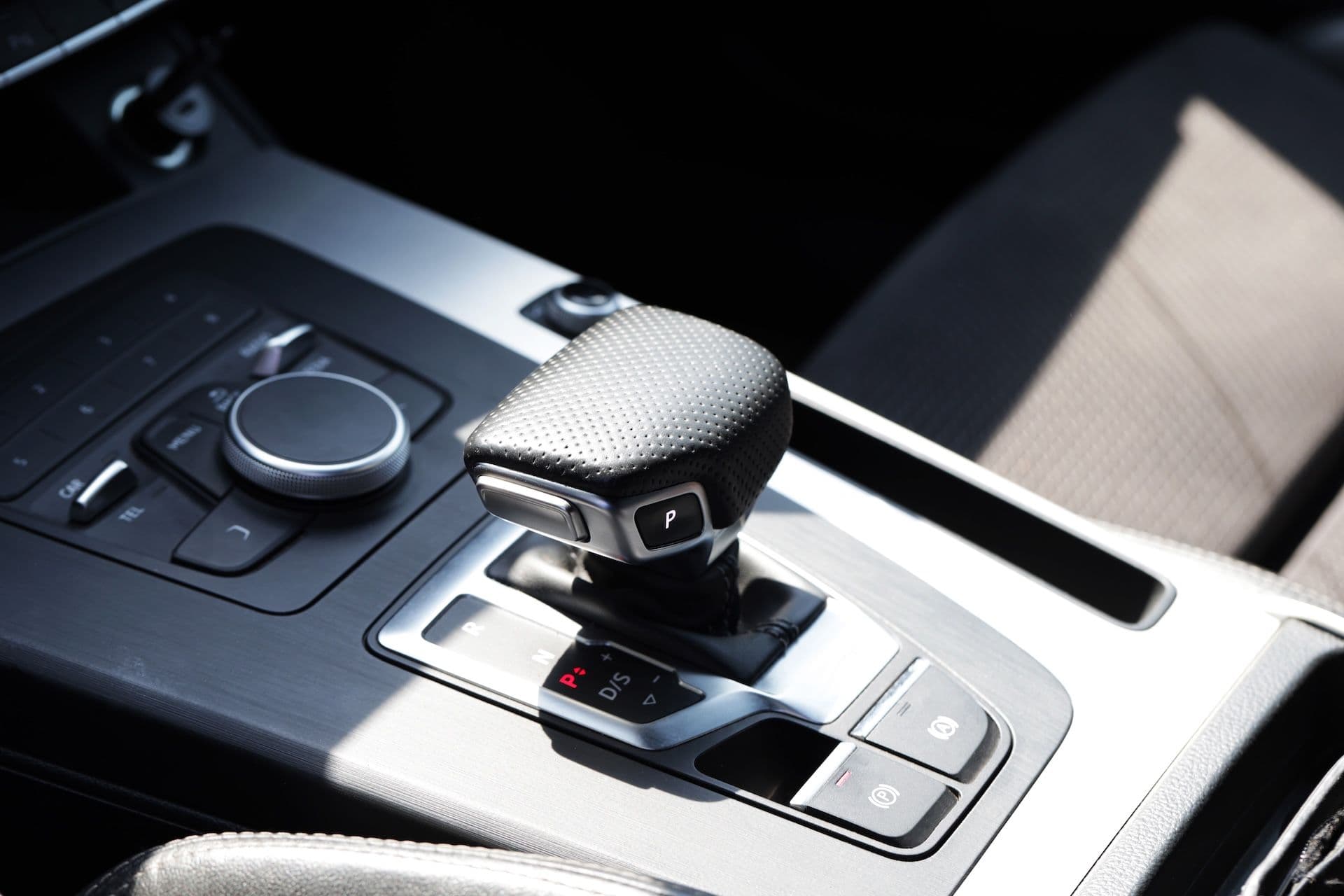
Yes. "P" mode locks the transmission, but the parking brake also prevents the vehicle from rolling away and reduces the load on the transmission mechanism.
How to use the handbrake correctly in modern cars?
The handbrake, also known as the parking brake, is one of the essential safety features in every car. Although its operation seems intuitive, in modern cars the method of operation may differ from that many drivers are familiar with from older models. Instead of the classic lever, we're increasingly seeing electric buttons, Auto Hold functions, and automatic brake release when starting. It's important to know how to use these features correctly to avoid errors and unnecessary wear and tear.
The basic principle of a handbrake has remained unchanged for years. It is a system independent of the main foot brake, which is used to immobilize the vehicle after parking. This independence also allows it to function as an emergency brake in the event of a hydraulic system failure.
In older designs, the handbrake operated fully mechanically. The lever was connected to a cable that, when pulled, tensioned the brake shoes or calipers on the rear wheels. The driver adjusted the pressure by raising the lever.
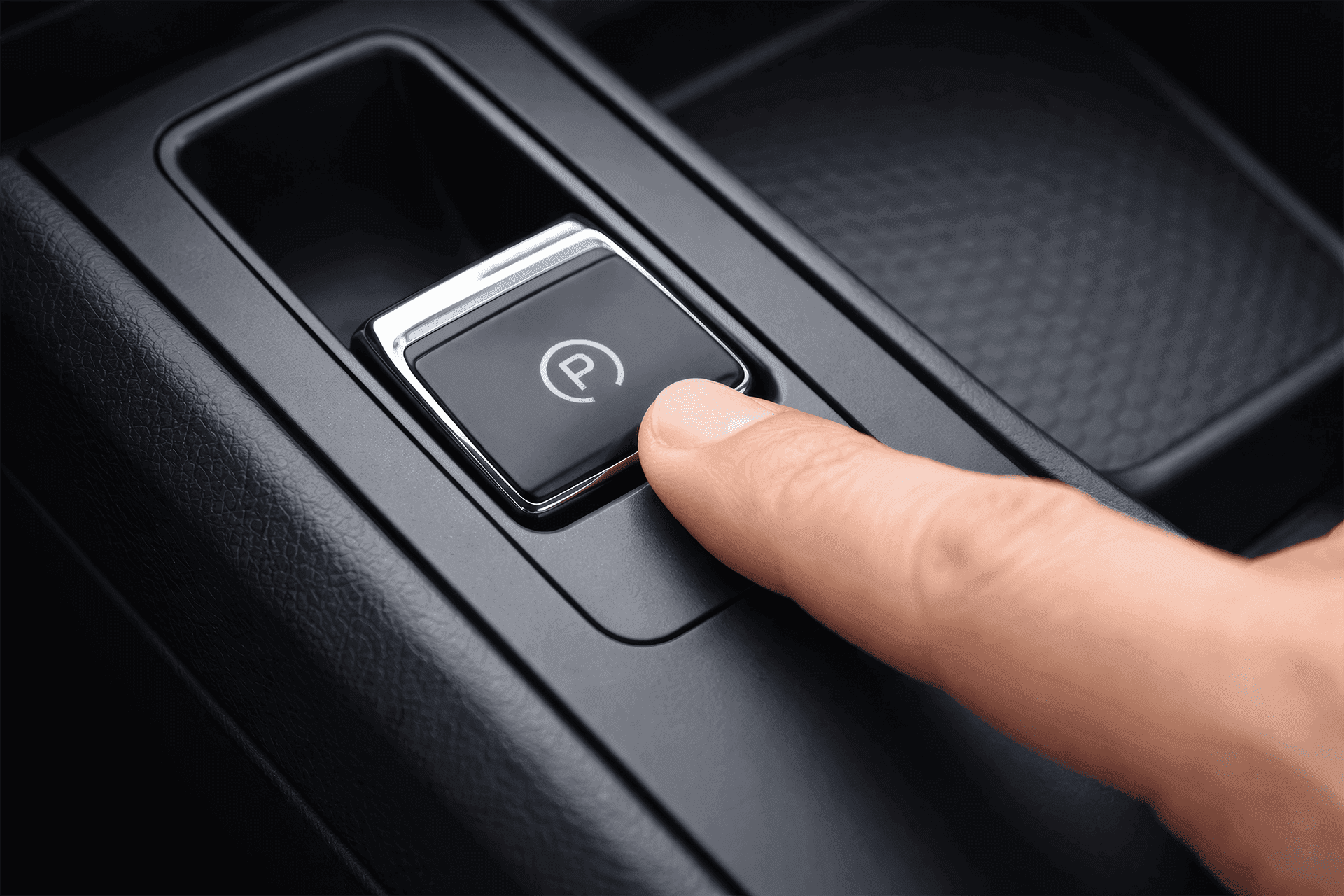
Electric parking brakes are becoming increasingly common in modern cars. Instead of a cable, electric motors are being installed at the brake calipers. Once activated, the system automatically presses the brake pads against the disc, and the controller adjusts the appropriate force. This solution allows for the automation of many tasks and reduces the risk of errors when parking.
A classic handbrake requires physical force and gives the driver direct control over the mechanism. It can be applied gently or firmly, and its action can be adjusted for hill starts. This is a simple and durable solution, although the cables can stretch or seize over time.
An electric brake operates automatically. Simply pull a small button, and the system automatically locks the wheels. In many cars, the brake release is automatic upon starting, making driving in traffic jams or on hills much easier. Additionally, the system often works with the Auto Hold function, which holds the vehicle in place without having to hold the brake pedal.
With a traditional lever, it's important to remember to press the button while pulling up. This reduces wear on the latch and ensures smooth operation of the mechanism. After applying the brake, it's a good idea to confirm that the car is actually immobilized, especially on inclines.
In cars with an electric parking brake, operation is simpler. Simply pull the button when the car is stationary. The system automatically adjusts the pressure. There's no need to reapply or increase the pressure – the controller does this automatically.
With a mechanical version, you pull the lever up slightly, press the button, and then lower it. It's important to do this smoothly, without releasing it abruptly, which can cause the vehicle to jerk.
With an electric brake, it's usually enough to press the brake pedal and press the button down. In many models, the system will automatically release when you begin to move off, eliminating the need for the driver to perform any additional action.
The parking brake is very helpful when starting uphill. In cars with a manual transmission, it helps prevent the vehicle from rolling backward. Simply hold the car in the handbrake, accelerate, and release the brake as soon as the car begins to move.
In modern cars, this process is often automatic. The electronics detect the moment you're starting and automatically release the brake. This feature is especially useful in city traffic and when frequently stopping on hills.
In older mechanical systems, there's a risk of the parking brake freezing. Moisture entering the cable can turn to ice and jam the mechanism. Therefore, in winter, especially on flat terrain, some drivers leave their car in gear instead of applying the parking brake.
This problem is less common in newer electric systems, but it's still worth taking precautions. After a car wash or driving in wet conditions, it's a good idea to make sure the brakes have had time to dry before a long period of inactivity.
When parking, it's best to use both the parking brake and the appropriate gear position. In a manual car, this means leaving the car in gear, and in an automatic, shifting to "P." This double safety feature minimizes the risk of the vehicle accidentally rolling away.
On steep slopes, it's a good idea to turn the wheels towards the curb. This simple rule increases safety, especially when the car is parked for an extended period.
Over time, the parking brake may become less effective. In mechanical versions, stretched cables or seized caliper components are most often to blame. Symptoms include the lever being too high or the car rolling back despite the brakes being applied.
In electrical systems, problems can include controller errors or worn motors near the calipers. In such cases, a message usually appears on the dashboard. Such warnings should not be ignored, as the effectiveness of the parking brake directly impacts safety.
The most important thing is to keep an eye on the warning lights. The brake symbol on the dashboard indicates both brake activation and any potential problems with the system. Before driving off, it's always a good idea to make sure the light is off.
It's also good practice to regularly check the brakes for effectiveness. If the car starts to roll back even when the brakes are applied, or the lever lifts too easily, the mechanism may need adjustment. Early intervention can help prevent more serious problems.